

I just finished the certificat…
I just finished the certificate. It was a university-level online course. I like learning on my own. I wanted to explore new cultures through TEFL. I feel satisfied. I am encouraged by how much I learned.
I took this course as a refres…
I took this course as a refresher for my own professional development. Working with others on the assignments really helped me understand the material better. I wanted more freedom to travel and work from anywhere. Seeing my own progress was encouraging. I feel good about the whole thing.


15 Life Skills You’ll Actually Learn While Teaching English Abroad
When most people think about teaching English abroad, they imagine standing in front of a chalkboard, conjugating verbs, and grading endless homework. And sure, there’s plenty of that. But what no one tells you is that the real lessons happen outside the classroom. Here are 15 life skills you’ll develop that have nothing to do with grammar. 1. How to Read a Room Without Speaking the Language Withi...[Read More]


Little Newton International Kindergarten in Hiroshima: What You Need to Know Before Applying
Teaching English abroad is an exciting adventure, but finding the right school can feel like searching for a needle in a haystack. If you’re considering a position at a kindergarten in Hiroshima, particularly one that uses a “dispatch” system, you likely have questions about the daily routine, management style, and overall work culture. Let’s break down what to look for and what ...[Read More]
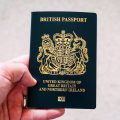

Teaching English Abroad: When a Dream Job Turns Into an Identity Theft Scam
The thrill of landing your first TEFL position abroad is unmatched. You’ve spent months preparing, imagining yourself exploring new cultures while shaping young minds. But in the rush to secure that perfect opportunity, some teachers are discovering that the school they signed up for doesn’t exist at all. The Red Flags You Can’t Afford to Ignore Imagine this: you’ve been ch...[Read More]


Lost in Translation: What Japanese Learners Can Teach Us About English Study
Have you ever been asked for study advice by someone learning your native language, only to freeze up because your own learning toolkit doesn’t seem to translate? This happens more often than you’d think. Many English teachers abroad find themselves in this exact situation—surrounded by coworkers who are eager to learn English but unsure how to guide them, because the resources they re...[Read More]


The Waiting Game: Surviving the Nerves of Your British Council Language Assistant Application
You carefully filled out every box, double-checked your qualifications, and even rehearsed your motivation statement until it sounded natural. Then you hit “submit” on your application to be a language assistant with the British Council. Now you wait. And wait some more. If you’ve applied for a position in France or another destination, you’ve likely been told you’ll hear back by early May. But wh...[Read More]


Why Your Teaching Introductory Video Could Be Your Secret Weapon
When you’re competing for teaching jobs abroad, especially in China, the application process can feel like shouting into a void. Hundreds of qualified applicants send in the same resumes, the same credentials, and the same standard introduction videos filmed in their living rooms. But what if a two-minute video could change everything? The Game-Changing Power of a Creative Intro One teacher ...[Read More]


Teaching English in Spanish-Speaking Countries: A Guide for Aspiring Educators
You’ve earned your master’s in teaching, completed your TESOL certification, and now you’re ready to embark on an adventure teaching English abroad. If you’re dreaming of teaching in a Spanish-speaking country, you’re not alone. Many educators are drawn to the rich cultures, warm climates, and immersive language experiences that countries like Spain, Colombia, and Arg...[Read More]


Teaching First and Second Grade in China: Surviving Chaos Alone
Teaching abroad often comes with surprises. One of the most shocking realizations for many new TEFL teachers heading to China is this: you may be expected to teach first and second graders completely alone. No assistant. No co-teacher. Just you and a room full of energetic six- and seven-year-olds. The Reality Check If you’ve researched public school English programs in China, you probably assumed...[Read More]


Breaking Your TEFL Contract in China: A Practical Guide
Thinking about leaving your teaching position early in China? You’re not alone. Whether you’re struggling with young learners or simply ready for a better opportunity, ending a contract can feel daunting. Here’s what the process actually looks like. Know Your Timeline Most contracts require a two-month notice period. When you’re ready to move on, schedule a sit-down meeting...[Read More]
Just finishing up the course n…
Just finishing up the course now. I liked that I could learn on my own schedule. Getting away from my old routine was my main goal, and this helped. As someone who learns best with a clear structure, the modules worked well for me.